
Institutional Cruelty: When Caring for the Vulnerable Becomes a Cash Cow
From naked seven-year-olds to drugged ninety-year-olds, a bipartisan network of politicians, corporations, and unions has built a system designed to fail – and to protect the people profiting from it.

I keep finding myself marvelling over Saskatchewan’s accomplishments.
Today I am pleased to report that we’ve virtually perfected something truly remarkable: a bipartisan system of institutional human neglect so comprehensive, so cruelly yet thoroughly monetized, and so breathtakingly shameless that it covers the entire Saskatchewan lifespan.
From seven-year-olds found alone, naked and terrified in the streets to ninety-year-olds chemically restrained into submission at rates that would make a horse veterinarian cringe, today’s Saskatchewan has built a for-profit care infrastructure that treats vulnerability as a business opportunity and accountability as a cute idea, but no thanks.
September 2013:
His response: his most saddest sad face, a $10 million “Urgent Issues Action Fund” with promises of annual health region CEO visits to facilities, quality of care surveys sent “directly to the Minister annually,” and stakeholder engagement.
June 2, 2020, approximately 3AM, Saskatoon: a seven-year-old autistic, non-verbal boy named “Elijah” flees his group home. He’s naked. He’s terrified. The lone overnight staff member - responsible for four children with complex needs - doesn’t notice he’s gone until 7:30AM, during shift change.
Tim Hortons employees find him in the parking lot just before 5AM, confused and frightened, about a kilometer from the facility that promised his parents and the Ministry of Social Services he’d receive specialized, expert care.
When the Saskatchewan Advocate for Children and Youth investigated Elijah’s case and documented egregious abuse, the Ministry implemented “interim measures” including pilot “group home liaison” positions.
CBI Health, the for-profit ghouls which operated Elijah’s group home, promised Board Certified Behaviour Analysts, comprehensive staff training, RN-level nursing support, and accreditation for “delivering high quality residential services to children with complex behaviour needs.”
What they delivered: untrained staff, medical neglect so egregious one child required hospitalization, inappropriate discipline, insufficient supervision, and senior staff who lied to investigators. The July 2020 Ministry investigation substantiated abuse and neglect affecting all four children in the home.
CBI closed that one facility. It continues operating other group homes across Saskatchewan. In 2024-25 alone the Saskatchewan Party government paid CBI $4.1-million under the Child & Family Services category, and $4.2-mil under Disability Services.
Think about that.
Families placing children in Ministry care have no way to know whether the group home proposed is operated by the same company where a seven-year-old fled naked while staff slept and children were hospitalized from medical neglect.
Nine months after the provincial auditor made her 2021 recommendations, she found the Ministry still failing to:
use updated inspection checklists,
inspect each group home annually,
verify criminal record checks for staff,
maintain regular contact with clients,
or analyze serious incident reports to identify homes with critical concerns.
December 2021:
Following the Parkside catastrophe and the Ombudsman’s report, the Ministry launches its special care home inspection program.
The resource allocation: six inspectors, all based in Regina, for 161 facilities spread across Saskatchewan. That’s one inspector for every 27 facilities. Ontario promised - though struggled to deliver - a ratio of one inspector for every two long-term care homes.
Saskatchewan decided six people could handle the entire province.
And the inspection model?
Geographic proximity.
Literally the laziest plan you could ever come up with.
Not risk-based prioritization focusing on facilities with complaints, critical incidents, or alarming quality indicators.
Just proximity to Regina.
Further, Social Services or Sask Health gives facilities four weeks’ advance notice before inspections, allowing them to stage compliance, which is why normal provinces don’t give notice. The Saskatchewan government accepts self-reported corrections without independent verification. It grants extensions up to six months beyond required 30-day correction windows. It refuses to publicly report facility-specific inspection results.
This isn’t an oversight system.
This is a full-blown farce designed to create the appearance of regulation while ensuring operators face minimal scrutiny and families remain ignorant about which facilities are literally killing people for cash.
According to the Auditor, in Saskatchewan special care homes, one in three long-term care residents receive antipsychotic drugs without a diagnosis of psychosis. Medications that carry serious risks including stroke, falls, and death for elderly dementia patients. The national average is 25 percent.
The December 2025 Provincial Auditor’s report should be Saskatchewan’s reckoning.
Instead, it’ll be tossed onto another pile of reports the Sask Party ignores.
We have become a cold, calloused, uncaring demographic that would make our grandparents weep in disbelief.
Golden Health Care, Saskatchewan’s largest private care home provider, owned by venture capital fund Westcap Management, had its Diamond House facility suspended in May 2024 for eight violations including unnecessary physical restraints.
It continues operating seven other facilities with no public disclosure of inspection results.
Welcome to Saskatchewan, where also like any third-world country, we’ve monetized inflicting human misery and professionalized lying about it.
The Saskatchewan Party government has spent almost twenty years making solemn promises about improving care while building an oversight system designed to fail.
The Provincial Auditor reports a staggering 31 nursing homes remain uninspected since 2021.
The problems Duncan identified in 2013 haven’t just persisted, they’ve metastasized into chemical restraint at rates that exceed national averages by 40 percent.

What happened to those annual CEO visits? They became a government webpage with no substantive reporting. Those quality surveys sent directly to the Minister annually? Disappeared.
Stakeholder engagement? Replaced with a Ministry that told the Saskatchewan Ombudsman during the Extendicare Parkside investigation - where 39 seniors died of COVID-19 - that it had “no direct relationships with the long-term care sector.”
This position is not only morally repugnant, it’s legally untenable. The Ministry of Health, which holds statutory authority over special care homes, determines funding levels, establishes standards, and receives critical incident reports, claimed it had no direct relationship with the sector it regulates.
This isn’t regulatory failure.
This is refusal to regulate, wrapped in bureaucratic language and delivered with a straight face.
NDP MLA Meara Conway stated following the auditor report: “When inspections occur, they are frequently announced, which does not provide a true picture of the conditions in these homes...These individuals contributed significantly to our province; they deserve our care.”
Absolutely true.
But where’s Conway’s follow-up demanding:
“Minister, name the two facilities with 63% and 59% antipsychotic rates. Tell Saskatchewan families which homes are chemically restraining seniors at rates exceeding 60%.”
That question doesn’t get asked.

The NDP has tools: private Members’ Business motions demanding disclosure, Budget Estimates questions requiring detailed responses, Public Accounts Committee hearings compelling testimony from failing operators, media campaigns naming facilities based on publicly available information and family testimony.
What the NDP does instead: ask general questions about “the system,” accept Ministerial non-answers about “implementing recommendations,” critique aggregate spending levels, and move on when Ministers deflect to discussing process rather than identifying specific accountability.
Clearing the path for the Saskatchewan Party to promise improvements while protecting operators and obscuring facility-specific failures. It’s opposition as theater: visible criticism without substantive accountability pressure.
Saskatchewan has built a for-profit care system where companies monetize vulnerability, extract revenue from public contracts, deliver substandard care, face limited consequences for documented failures, and continue operations with identities often protected by government.
These companies understand Saskatchewan’s regulatory environment perfectly. Submit RFPs promising specialized expertise. Deliver minimal acceptable care that maximizes profit margins.
SEIU-West and CUPE Saskatchewan represent thousands of healthcare and social services workers who witness abuse and neglect daily in the facilities where they work. These unions have collective agreement protections for members reporting concerns, cross-facility intelligence from members working multiple locations, media relationships to publicize problems, and political advocacy capacity demonstrated in wage campaigns.
Traditionally, unions aggregated this intelligence, identified the worst actors, and publicly demanded accountability.
Not anymore.
Not in Saskatchewan, where unions no longer have the institutional courage to move from general warnings to pinpointed, public allegations.
Instead, unions critique “the system” without naming failing components. They focus on member wages and benefits - legitimate concerns - while avoiding confrontation over care quality failures that would require identifying specific facilities and mobilizing membership to testify publicly.
When SEIU-West’s Barbara Cape stated in June 2020 that members raised concerns “for years,” she acknowledged workers have been sounding alarms. What she refused to do was channel that knowledge into campaigns demanding accountability.
This is because Saskatchewan unions have chosen Sask Party relations stability over resident protection. They’ve accepted Saskatchewan’s model of protecting operator anonymity in exchange for labor “peace”.
Lemony Snicket’s A Series of Unfortunate Events featured the villainous Count Olaf, who abused children for personal profit while authorities looked away and institutions failed their protective duties.
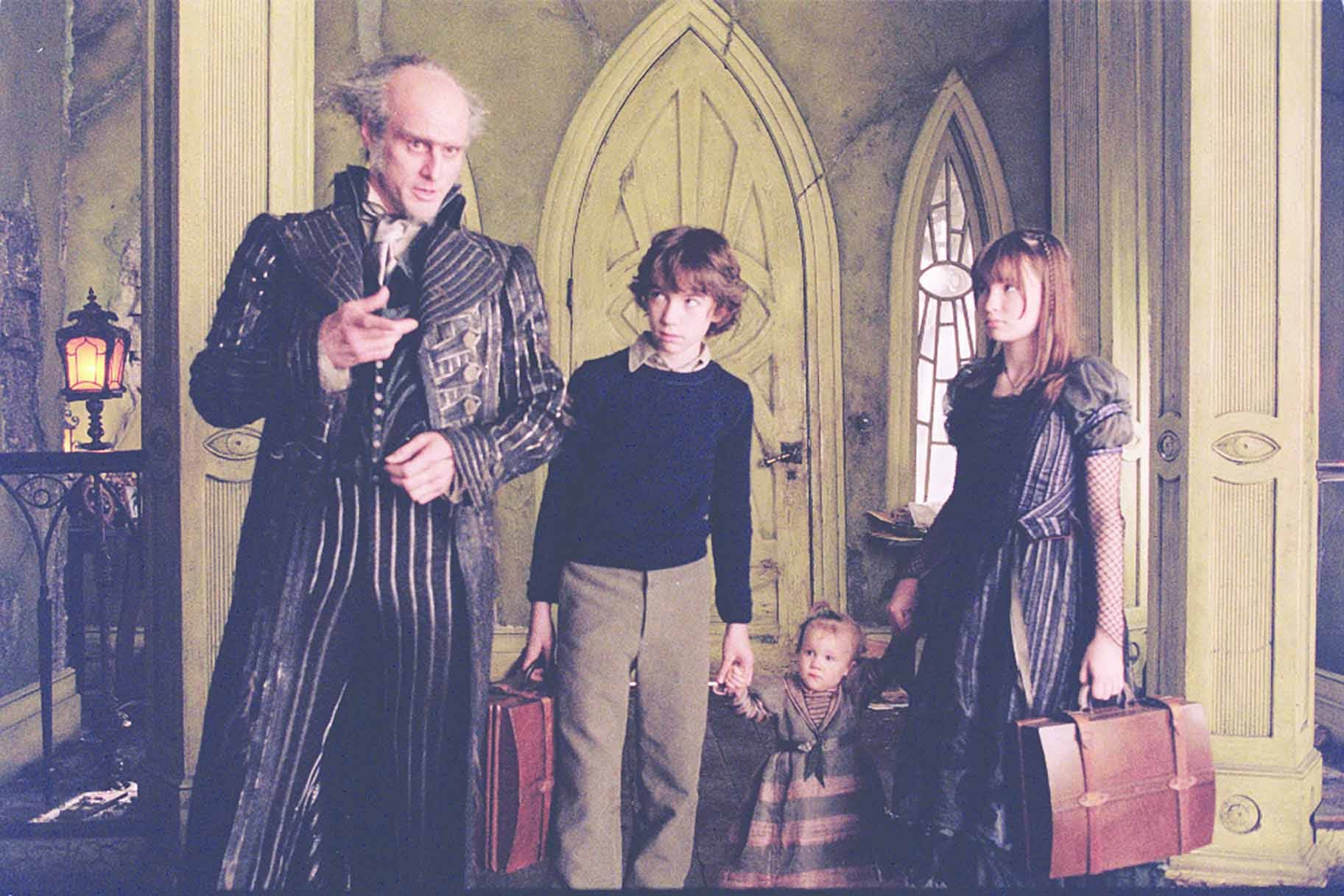
It was dark, almost nightmarish comedy - absurd incompetence and malevolence played for satirical effect.
Saskatchewan’s institutional response to vulnerable populations makes Count Olaf look like an amateur.
Saskatchewan’s abuse of vulnerable children and seniors is systematic, monetized, and documented in government reports accepted with promises that nothing substantive changes.
Our villains aren’t theatrical characters in disguise - we know exactly who they are and worse yet, they know who they are.
The difference is the Baudelaire children eventually found adults who believed them.
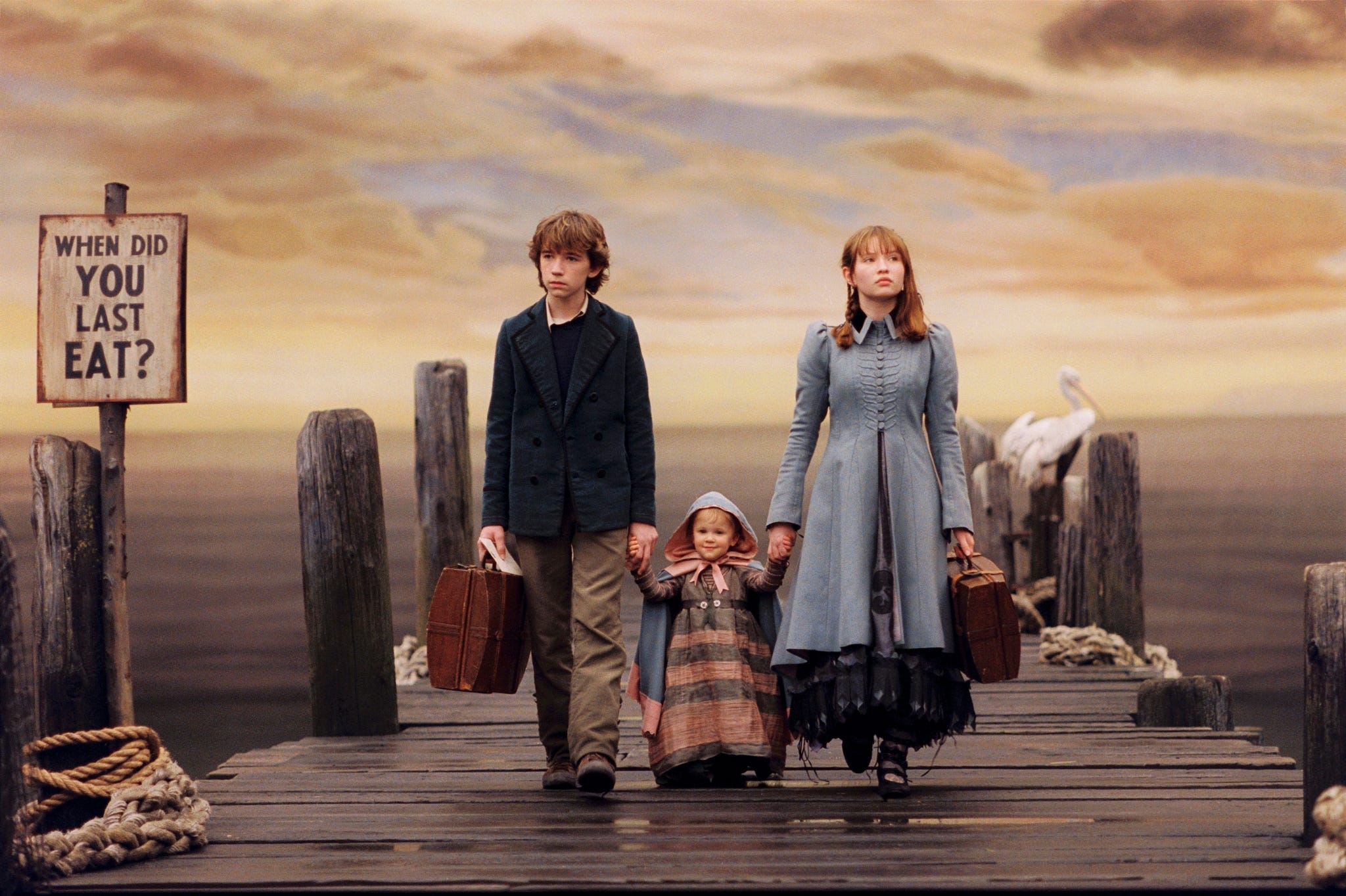
Saskatchewan’s vulnerable populations keep getting the same script: investigation, recommendations, promises… then more failure.
Rinse and repeat.
We can’t claim incompetence anymore. Twelve years of auditor reports, advocate investigations, and ombudsman findings have documented exactly what’s failing and who’s responsible for protecting vulnerable populations. The Saskatchewan Party, NDP opposition, for-profit operators, and unions all have the information, authority, and tools to demand accountability.
The NDP must stop asking general questions about “the system.” Demand specific facility names in Question Period. Force votes requiring government to defend protecting abusive operators. File FOI requests and publish facility-specific data.
Operators must face consequences proportionate to failures. One substantiated case of medical neglect requiring hospitalization should end all government contracts for that shitty company. Chemical restraint rates 40% above national averages should trigger immediate investigations and potential license suspension. Physical restraint violations should face criminal referrals where evidence warrants.
Unions must prioritize care quality over keeping the peace with Scott fucking Moe. Empower their memberships to publicly testify about conditions at specific facilities. Demand facility-specific inspection disclosure as bargaining priority. Support facility closures or SHA takeovers of failing affiliate operators.
Saskatchewan, you have a choice.
Vulnerable people - little kids and our grandparents - or institutional, political convenience for the Sask Party.
Every official, MLA, union leader, and journalist in Saskatchewan knows our “care” system is failing.
And Boomers haven’t even hit it yet.
Can you imagine?
The reports are public. The investigations are done. The evidence is sitting in plain sight.
So stop pretending. Admit Saskatchewan is fine with turning vulnerability into profit margins.
Because right now, that’s the choice you’re endorsing by sitting back and saying nothing at all.

If I’m understanding the “inspection process” correctly for these Personal Care Homes……….
I can see the Health Inspector reports on a restaurant in Saskatchewan, but not an Inspection Report on a PCH I might be considering for my loved one?
SaskParty fails on everything except how to lie to manipulate and sit back